
PELVIC FLOOR PHYSIOTHERAPY
Women’s health physiotherapists (also called female pelvic health physiotherapists) treat a wide range of women’s needs throughout their stages of life. Physiotherapists in womens’ health have completed additional training and accreditation by the South African Society of Physiotherapy in the assessment and treatment of pelvic floor dysfunction; and can deliver pelvic floor physiotherapy training (pelvic floor muscle training).
Hormonal changes from puberty to end of life causes fluctuating cycles in the female body and influences the ligaments, joints and muscles. Added stressors such as constipation and straining, altered bladder routines, frequent heavy lifting and other types of sport, obesity, pregnancy, child-birth, as well as peri-menopause and menopause can affect the pelvic floor and function unfavourably.
What are the pelvic floor muscles (PFM)?
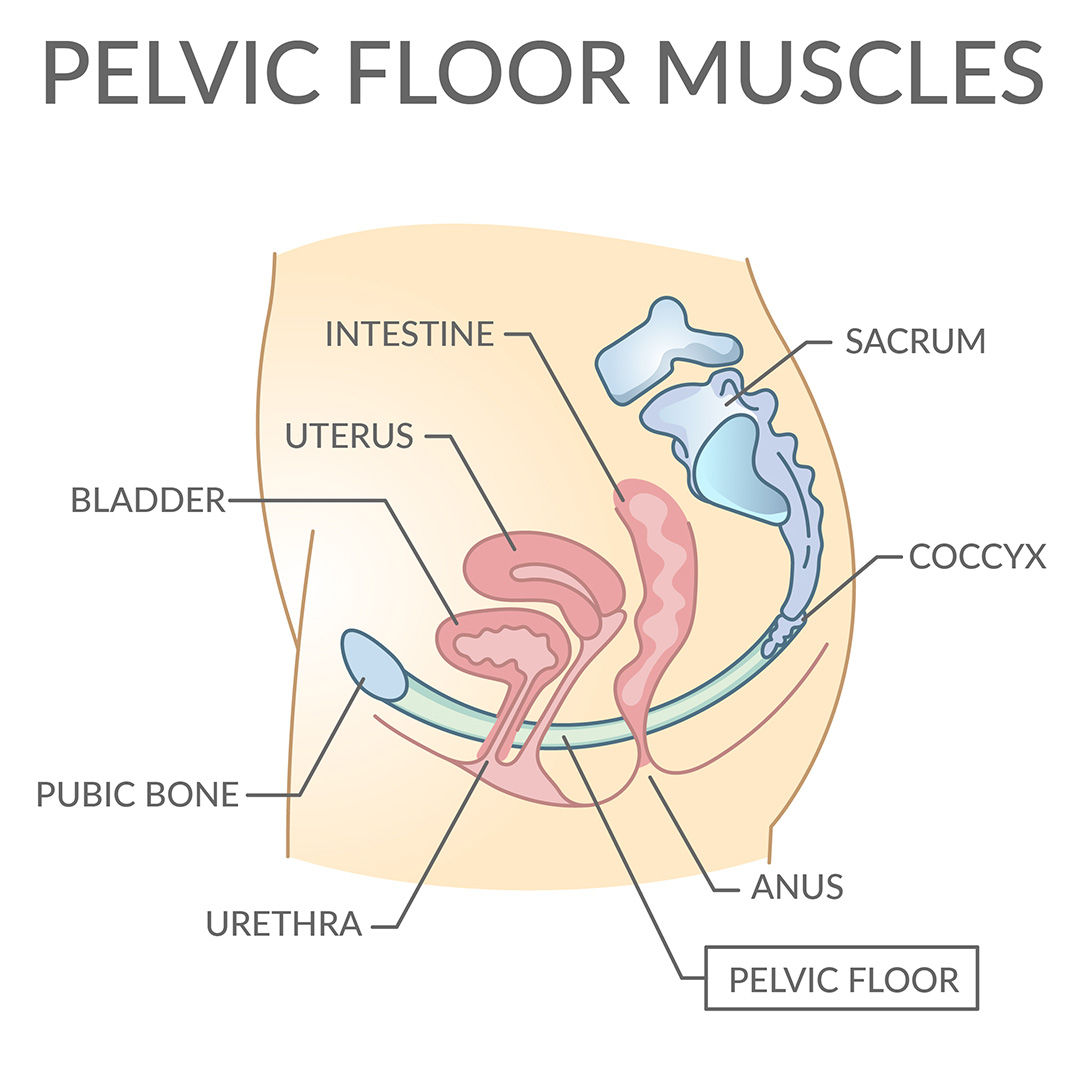
The pelvic floor is the group of muscles that lines your pelvis below. The muscles stretch from your pubic bone in the front and connect to the pelvis bones on the side and at the back to your sitting bone. It looks like an inverted dome, or “hammock” and are suspended by ligaments and connective tissue. Your PFM’s are made up of two layers, your superficial PFM’s and your deep PFM’s.
A PFM contraction involves a combination of a squeezing action of your superficial muscles and a lifting action of your deep muscles. Pelvic floor muscle (PFM) strength is important for various reasons, such as the prevention of urinary and fecal incontinence, augmenting an effective breathing pattern and organ function, and uphold effective posture and support throughout body movement.
It is the coordination and strength of these pelvic floor muscles that ensure their effectiveness, and the aim of pelvic floor physiotherapy training (also called pelvic floor muscle training) is to provide effective and appropriate exercises to restore these muscles’ function and synergy (the enhanced, interactive coordination of muscle action).
What is included in pelvic floor physiotherapy training
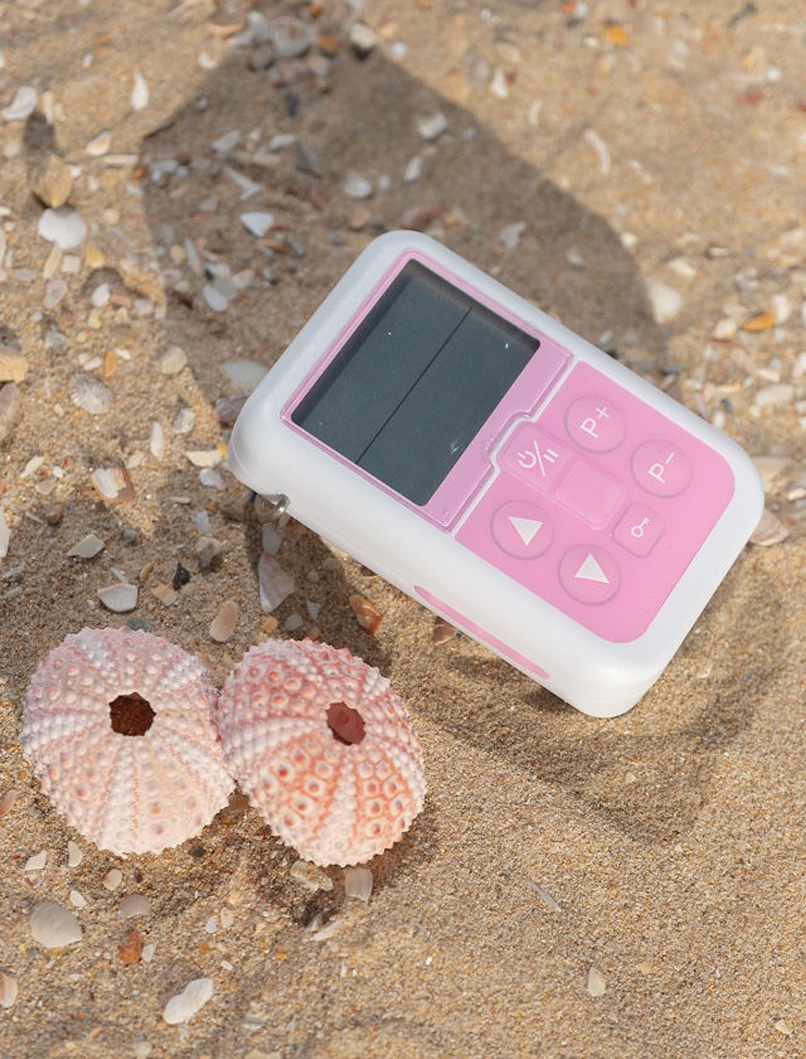
Pelvic floor physiotherapy training includes the use of manual manipulation (of joint, fascia and muscles), in conjunction with a step-wise, individualised exercise and flexibility programme to restore functional muscle synergy. Depending on your symptoms and current pelvic function, other modalities such as electrostimulation (electrical stimulation provides a small electrical current to contract the pelvic floor and assist the patient in isolating the correct muscles to exercise), biofeedback machines (biofeedback machines use a vaginal or rectal pressure sensor to provide visual feedback of the strength of the muscle contraction), and other aids such as vaginal dilators or vaginal weighted cones (Vaginal cones are a weighted cone that is inserted into the vagina and held in place during activity by pelvic floor contractions) may also be used to assist you with optimal recovery and exercise.
PFPT examination and treatment includes both internal and external components:
During the external examination, for example, the abdomen, hips, back and thigh muscles, joints are evaluated as well as the external perineum (area between your legs). During the internal examination, the pelvic floor muscles are evaluated via the birth and / or anal canal and are assessed for tone, elasticity and areas of tenderness and pain. Your ability to perform voluntary and involuntary pelvic floor contractions are also assessed. There are several ways to objectively assess the function and integrity of your PFM’s, and may include a machine based assessment. The type of assessment depends on your symptoms and your physio will discuss these options in more detail with you during your first session.
Please disclose with your physiotherapist prior to any examination if there is any other sensitive information that she needs to be aware of and inform your physiotherapist if you are aware of any problems/ illnesses / surgery or trauma that may have an influence if you are going to partake in an internal examination. If you are fearful of being examined internally – also discuss this with your physio beforehand – you are welcome to send me a whatsapp prior with the request for a call back -I will respond between working hours.

069 463 7128 (call or Whatsapp) jcronjephysio@gmail.com Mossel Bay and Surrounds


Follow @johanitacronjephysiotherapy